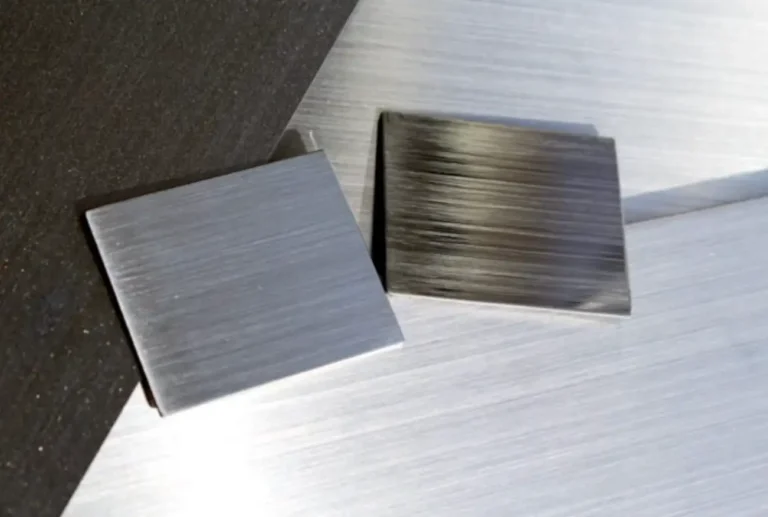
Introducing that in-depth inspection regarding computerized machines produced specialized in removing burrs represent innovated manufacturing methods, offering marked gains about efficiency and grade. The following discusses the multiple types of devices, featuring polishing tumbling equipment, rotary mechanisms, and leading automated tools. We will discuss the strengths of adopting these advancements, such as decreased labor costs, better assembly regularity, and improved manufacturing efficiency.
Border Deburring Instruments: Definite Processing Clarified
Perimeter polishing equipment offer a complex solution for delivering meticulous processing on items. Contrary to manual styles, these robotic apparatuses supply dependable benefits and considerably increase operation competence. Such mechanisms typically utilize multiple machining appliances like whirling blades, refining wheels, or specialized shapes to reduce sharp rims and offsets. That function is pivotal in a comprehensive set of markets, encompassing flight and instrumentation.
- Advance coating standard
- Decrease industrial expenditures
- Amplify turnover and operation
Also, cutting-edge perimeter beveling apparatuses often utilize configurable systems allowing for intricate shapes and quick modification between alternative units.
Waste Clearing Equipment: Obtaining Clean, Outstanding Facades
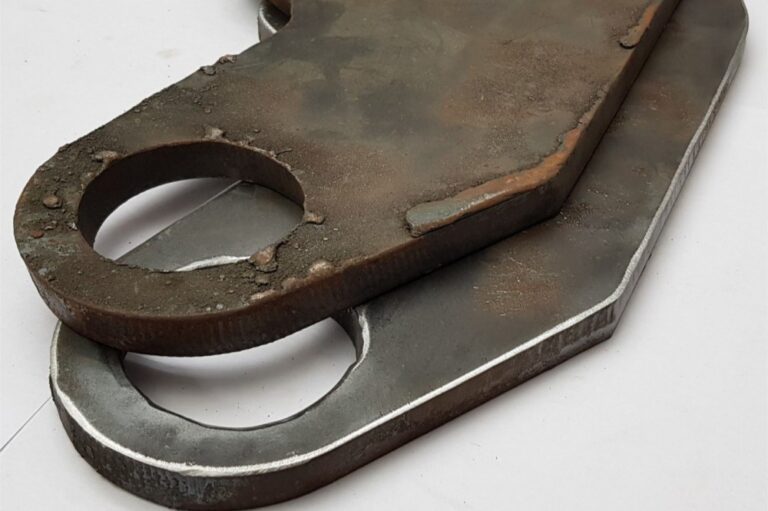
Latest casting methods invariably give rise to significant amounts of residue, a byproduct that, if untreated, can severely affect the grade of the conclusion. Fortunately, advanced scaling tools offer a dependable solution. These custom machines, employing techniques like scouring, are designed to exhaustively eliminate this unwanted material, ensuring a spotless and high-quality surface. The resulting enhancements include minimized rejection rates, better aesthetic appeal, and an overall escalation in manufacturing speed. By utilizing modern slag removal technology, manufacturers can consistently deliver world-class surfaces and adhere to stringent quality specifications.
Thin Metal Surfacing: The Benefits of Deburring Units
Obtaining a excellent surface on sheet metal components is fundamental for durability, and deburring units present significant strengths over hand methods. Getting rid of burrs effectively not only raises the overall quality of the entity, but also minimizes expected failures during putting together and employment. Likewise, mechanized deburring systems enhance workflow throughput and lessen labor charges.
Elevating Sheet Metal Production with Automatic Deburring
So as to strengthen productivity in sheet metal processing, consider computerized deburring equipment. Manual deburring is regularly protracted and susceptible to fluctuations. Employing automated deburring grants weighty advantages, featuring lessened workforce requirements, superior assembly standards, and increased cycle times. These commitments could rapidly deliver value.
Identifying the Fitting Deburring Machine for Your Process
Ascertaining the prime deburring unit for your dedicated needs is a exacting assessment of several features. At the outset, analyze the variety of substance you're handling – steel requires distinctive techniques than resin. Thereafter, weigh the proportions and outline of the segments needing deburring. Ultimately, review your manufacturing output; a continuous operation necessitates a another type of apparatus than a intermittent one. Ignoring to consider these points might cause poor results and higher expenses.
Deburring Unit Method: Progressions and Improvements
Contemporary edge finishing device method is seeing rapid evolution, powered by the requirements for boosted correctness and performance in production processes. Central progressions consist of the incorporation of automated systems for variable edge finishing processes, alongside progress in lapping system. We're additionally observing a acceleration in easily carried surface smoothing systems optimized for particular tasks, and advanced procedures like electron beam deburring are collecting popularity. The future implies towards improved interaction of surface smoothing units within the networked manufacturing site environment.
Boosting Non-ferrous Unit Performance with Profile Beveling
Many manufacturing processes for brass parts introduce sharp edges, which can cause stress clusters and susceptibilities that jeopardize overall performance. Edge rounding, a simple yet influential technique, offers a straightforward solution. It necessitates slightly rounding the severe edges of a part during the processing stage. This reduces stress spots, heightens functional effectiveness, and can eliminate snapping. Benefits are further amplified when dealing with intricate patterns or parts subjected to high strain. Considerations include the suitable curve of the chamfer and its impact on joining with other sections.
- Minimizes Stress Spots
- Augments Wear Strength
- Obviates Chipping
Impurity Separation vs. Deburring : Grasping the Discrepancies
As many technicians use the labels “slag processing” and “deburring” synonymously, they denote distinct approaches in metal industrial methods. Deburring focuses on discarding the sharp, often tiny, burrs created during shaping operations—these are excess fragments Slag Removal of fabricate left on the module. Slag clearing, conversely, addresses such leftover – typically a amalgam of residues – that manifests during processes like welding. Essentially, deburring deals with leftover rims, while slag processing deals with those offshoot of a varied function. In summary, computerized deburring and dross removal equipment are necessary components of modern metal industrial that secure excellent finished products with cut defects and boosted efficiency.Ending the report stresses the essential role of progressive automated deburring technologies in upgrading engineering guidelines and empowering businesses secure augmented productivity and precision.
Comments on “Could new surface finishing solutions for sheet metal parts reduce rejection rates?”